World Cup Extra Time Rules Explained: What Happens After 90 Minutes
A practical guide to World Cup extra time rules explained: what it means, how it works, common mistakes, and tips that actually help.
211 stories published in October 2026
A practical guide to World Cup extra time rules explained: what it means, how it works, common mistakes, and tips that actually help.

A practical guide to every World Cup final winners history list: what it means, how it works, common mistakes, and tips that actually help.
A practical guide to how World Cup qualification works continents: what it means, how it works, common mistakes, and tips that actually help.

Sixteen cities across three countries host the 2026 World Cup. Discover where the matches are played, which stadiums are the biggest, and where the final takes place.

The Golden Boot rewards the World Cup's top scorer, from Just Fontaine's 13 goals in 1958 to modern races decided by assists. Trace the award's history and its most famous winners.

Some World Cup records have survived for decades despite huge changes in football. Explore the marks that look safest, from Fontaine's 13 goals to Brazil's five titles.

The World Cup draw looks like pure ceremony, but pots, seeding, and continental rules shape every group. Learn how the draw works and why some groups are tougher than others.

The World Cup trophy has been stolen twice, found by a dog, and awarded permanently to Brazil. Trace the extraordinary history of football's most famous prize.

Some World Cup finals are remembered forever, others forgotten within days. Rank the greatest finals in history, from the Miracle of Bern to Messi's 2022 masterpiece.

Host nations have won the World Cup six times, but the advantage is smaller than it looks. Examine the evidence for home advantage, from crowds to refereeing to familiar conditions.

Teenagers rarely star at the World Cup, which is why the ones who do become legends. Meet the youngest players in tournament history, from Pele at 17 to the modern breakthrough stars.

The Golden Ball crowns the best player at each World Cup, from Maradona in 1986 to Messi in 2022. Trace the award's winners and what their victories say about each tournament.

A clear guide to how the final World Cup 2026 qualifying fixtures work, why formats differ by region, and what decides automatic qualification, play-offs, and elimination.
How professional scouts judge current form, combining live observation, contextual data, fitness, and character to decide whether a player's level is real and transferable.
Why club and international tactics diverge: preparation time, two-legged ties versus knockout sprints, and unfamiliar styles shape very different approaches.

Why corners and free kicks decide tight matches, how attacking routines and defensive systems work, and what to measure beyond goals scored.

What youngest-scorer and milestone records really mean, why context matters, and why early records predict opportunity rather than guaranteeing greatness.

A clear explanation of gegenpressing: how counter-pressing works, its triggers and traps, its fitness demands, and when pressing high becomes a risk.

What makes a World Cup dark horse, which profiles tend to surprise in the expanded format, and how to spot the next breakthrough team early.

How injuries ripple through a team's shape and results, why crises matter more than single absences, and how analysts measure the true impact.
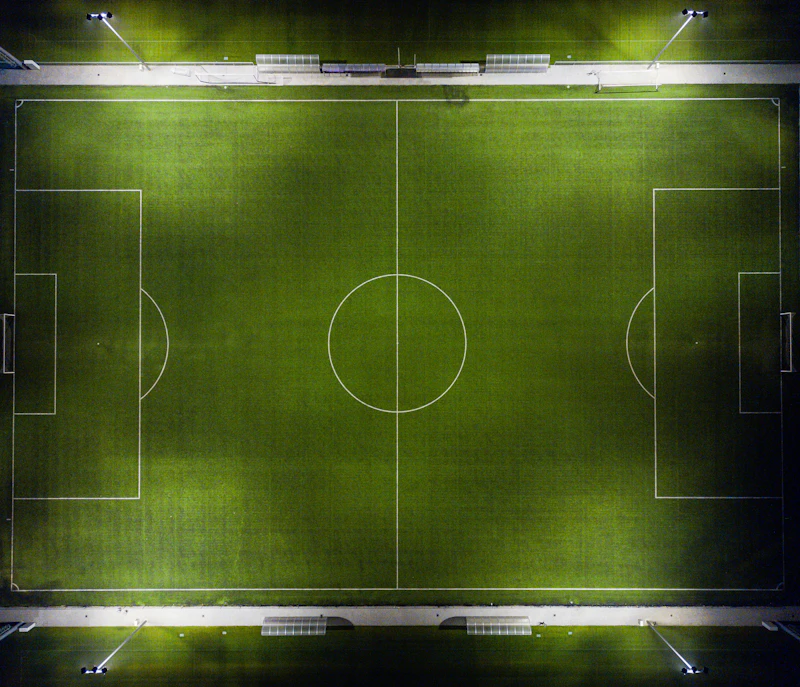
A beginner-friendly guide to xG and match stats: what expected goals measures, how to combine it with other numbers, and the mistakes to avoid.
Why January and midseason signings can revive or disrupt a team, how position and integration time matter, and how to judge a window fairly.

How to predict football match results accurately: a simple stats model combining xG, shots on target and possession with weights, worked through with real arithmetic, plus the Poisson intuition, team-news checks, and honest accuracy limits.

The 2026 World Cup draw sorted 48 teams into four pots of 12, with one team from each pot in every group. Here is how the seeding, the host placements and the confederation rules shaped the groups.