For the first time at a World Cup, referees wore body cameras in all 104 matches of the 2026 tournament. Here is how the cameras worked, what broadcasters showed, and whether they made refereeing better.
Archive: November 2026
233 stories published in November 2026
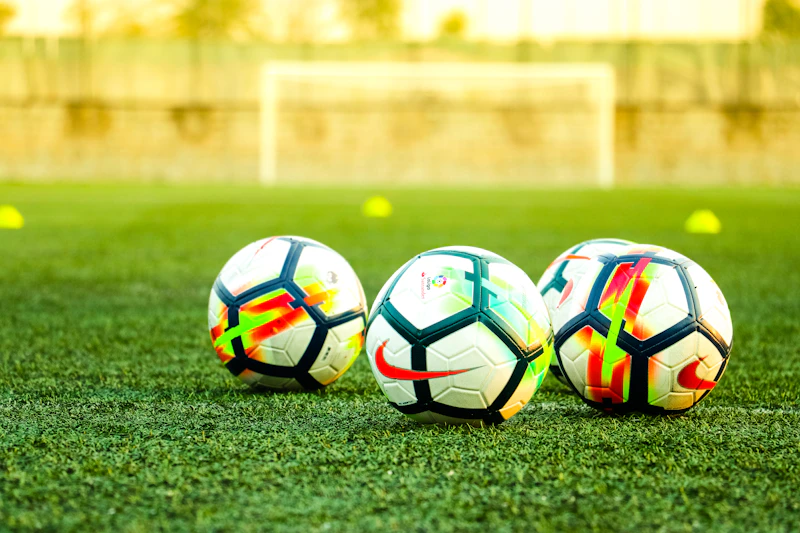
The Adidas Trionda was more than a match ball at World Cup 2026: it carried a motion sensor sampling 500 times a second. Here is how the connected ball worked and what it changed.
The Estadio Azteca sits at 2,240 metres above sea level, and the thin air cut players' aerobic capacity by around 17 percent. Here is how altitude shaped World Cup 2026 matches in Mexico.
Around 97 of the 104 matches at World Cup 2026 faced performance-impairing heat. Here is how cooling breaks, evening kickoffs and roofed stadiums were used to protect players.
Five substitutes per match is now permanent, and it has reshaped pressing, squad building and late goals. Here is how the rule works and how the best managers use it.
Goal-line technology decides in about a second whether the whole ball crossed the line, and it has never made a proven wrong decision. Here is how Hawk-Eye works and why it was needed.
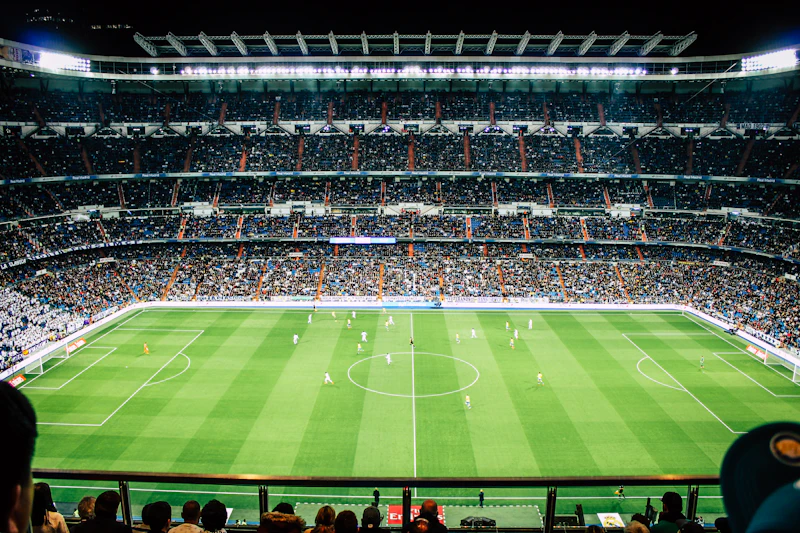
Spain beat Argentina 1-0 after extra time in the World Cup 2026 final at MetLife Stadium on 19 July 2026. Here is the venue, the transport plan, the ticket prices and how the day unfolded.
Expected Threat (xT) values every pass, dribble and carry by how much it increases a team's chance of scoring, giving credit to the players who build danger before the shot. This guide explains how the metric works, how it differs from xG and xA, and how clubs use it to find talent.
Early in the 2026-27 Premier League season the home win rate fell to thirty-six percent, the lowest in the competition's history. This analysis explains what the numbers show across Europe, why the edge has shrunk since 2020, and how tactics and VAR changed the picture.
One holding midfielder or two? The choice between a single pivot and a double pivot shapes how a team builds play, protects its defence and commits players forward. This guide explains how each system works, its strengths and risks, and how to spot the difference while watching.
Post-shot expected goals (PSxG) measures the quality of the shots a goalkeeper faces, so it can separate genuine shot-stoppers from goalkeepers who are simply busy. This guide explains how PSxG works, what it reveals, and where its limits lie.
The cutback is a low pass from the byline to the penalty spot, and it is the most dangerous pass in the modern game. This analysis explains why defences keep conceding from it, which mistakes cause it, and how attacking teams deliberately manufacture it.
Five substitutions let managers replace nearly half their outfield players during a match, turning the bench into a tactical weapon. This guide explains how the rule changed team selection, why late goals increased, and how the best managers plan their changes in advance.
Expected goals separates performance from luck, which is exactly the information that finds value in betting markets. This guide explains how xG works, three practical ways to use it in goals, result and player prop markets, and the traps that catch bettors who use it alone.
The November international break is blamed for ruined club form every year, and the evidence says the complaint is partly fair. This analysis explains how accumulated load and short recovery drive muscle injuries, which clubs suffer most, and how the best clubs manage the break.
After a decade of false nines and mobile strikers, the target man is thriving again in 2026-27. This guide explains why possession football pushed him out, why low blocks and set pieces brought him back, and what makes the modern version different from the old one.
The UEFA Nations League still confuses many fans, even though it shapes the international calendar and feeds into Euro and World Cup qualification. This guide explains the four leagues, promotion and relegation play-offs, the quarter-finals and finals, and why the competition matters.