Rest Defence Explained: The 3+2 Base That Protects Teams When They Attack
- Primary Signal: Rest Defence Explained: The 3+2 Base That Protects Teams When They Attack
- Overview: Rest defence is the structure a team keeps behind the ball while it attacks. This guide explains the 3+2 base, why it stops counter-attacks, and how the best teams build it....
- Verification: Analyzed and compiled by 2026 Football Online editorial monitoring desk.
Rest defence is one of the least glamorous and most important ideas in modern football, and it explains why the best teams are so hard to counter-attack. The idea is simple: while your team attacks, you keep enough players behind the ball, in the right positions, to deal with the counter-attack that follows if you lose it. Those players are the rest defence, and they are the reason an attacking team can commit six or seven players forward without being punished. When rest defence is good, the opposition's break dies before it starts. When it is bad, even a dominant team concedes goals from its own attacks.
What Rest Defence Actually Means
Rest defence is not a formation and it is not a defensive tactic in the usual sense. It is the defensive shape a team holds while it is attacking. Every time a team pushes players into the final third, it must decide how many players stay back and where they stand. The standard answer in the modern game is a 3+2 base: three defenders and two midfielders positioned behind the ball, ready to defend the moment possession is lost. Those five players form a compact block that covers the width of the pitch, protects the space in front of the defence, and is positioned to press the player who wins the ball.
The 3+2 Base: How It Works
The 3+2 base is built from the players who do not join the attack. In a team playing a back four, one full-back usually stays back while the other attacks, giving three defenders behind the ball, and two midfielders sit in front of them. In a back three, the three centre-backs stay and the two midfielders hold. The three defenders cover the width of the pitch and deal with long balls, while the two midfielders press the first receiver and protect the central space. The shape is compact, usually no more than thirty metres from front to back, so that when the ball is lost the nearest rest defender can reach the opponent within a second or two.
Why Rest Defence Matters More Than Ever
Rest defence matters more now than it did ten years ago because counter-attacks are faster and more ruthless. Teams defend in compact blocks and break at speed, and a single turnover in the final third can become a goalscoring chance within five seconds. The teams that dominate possession are the teams most exposed to this, because they commit the most players forward and leave the most space behind. The data is clear: a large share of goals in top-flight football now come from transitions, and the teams that concede the fewest transition goals are the ones with the best rest defence.
Building Rest Defence Into a Team
Building good rest defence starts on the training pitch, and it starts with the players who stay back. They must understand their positions without the ball, even while their team has it, which is a strange skill: they are defending while attacking. The full-back who stays must resist the urge to join the attack. The midfielders must hold their positions rather than chasing the ball. And the whole base must shift together as the ball moves, staying compact and keeping the distances between players small. Managers drill this with exercises that stop play the moment possession is lost, so the rest defence learns to react instantly. The best teams make it automatic.
What Happens When Rest Defence Fails
When rest defence fails, the symptoms are obvious: the opposition breaks into huge spaces, the defenders are outnumbered, and the goalkeeper faces one-on-one situations. The usual causes are familiar. A full-back has pushed too high and cannot recover. A midfielder has followed the ball into the final third and left the centre open. Or the base has stretched too wide, leaving gaps between the defenders that a fast forward can exploit. The fixes are equally familiar: hold one full-back back, keep the two midfielders disciplined, and make sure the base stays compact. Teams that ignore rest defence can dominate a match and still lose it, because the counter-attack is the one weapon they have given away.
How to Spot Rest Defence in a Match
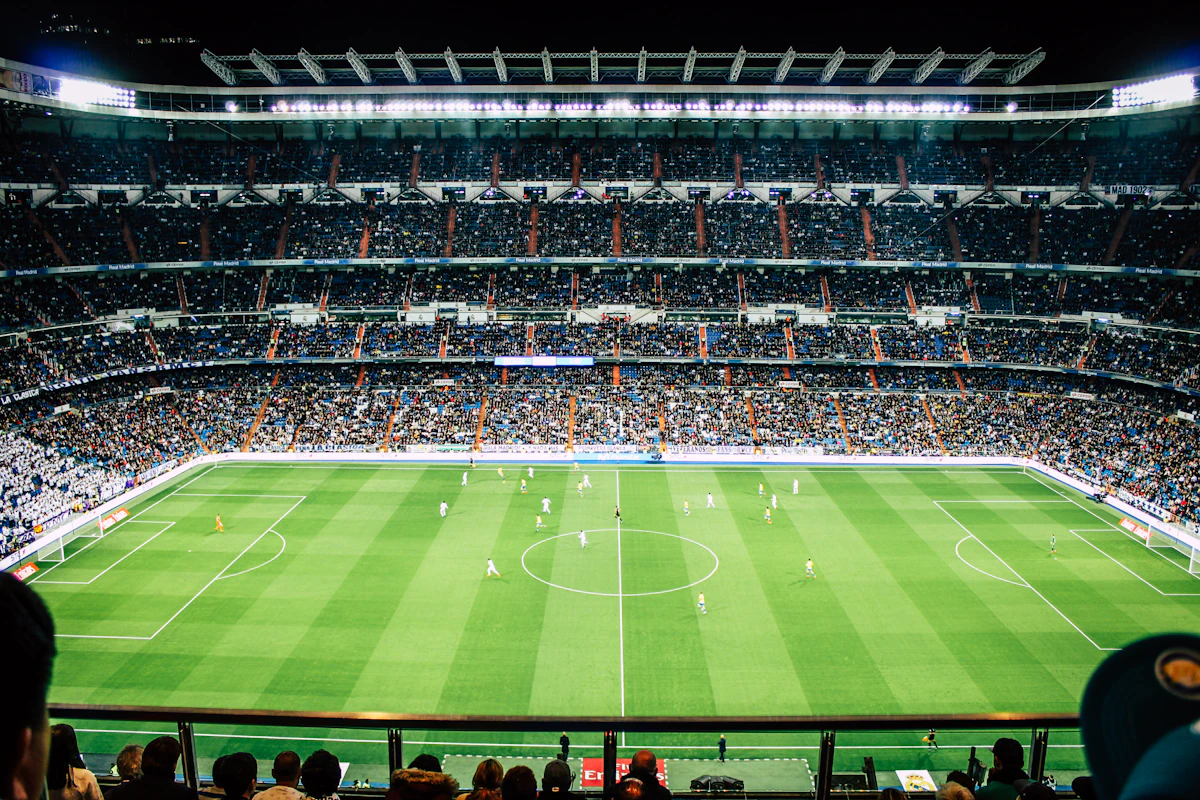
The next time you watch a top team attack, look away from the ball and at the players behind it. Count how many are in the defensive half and how they are arranged: if you can see three defenders and two midfielders in a compact shape, you are watching a 3+2 rest defence. Watch what happens when the ball is lost: the nearest rest defender should press immediately, and the others should drop into a compact block within seconds. If the opposition's break is stopped within two passes, the rest defence has done its job. It is the least exciting part of football to watch, and one of the most important parts to understand.
More from 2026 Football Online