How VAR and Semi-Automated Offside Will Work at World Cup 2026

- Primary Signal: How VAR and Semi-Automated Offside Will Work at World Cup 2026
- Overview: World Cup 2026 will use video review and semi-automated offside technology. Here is what VAR can and cannot check, how the offside system works, and what fans will see on screen....
- Verification: Analyzed and compiled by 2026 Football Online editorial monitoring desk.
Video review is now a normal part of major tournaments, and World Cup 2026 will use the most developed version yet, including semi-automated offside technology. For fans in the stadium and at home, that means fewer long delays for offside decisions and clearer on-screen explanations when a goal is checked. For players and coaches, it means the margins for offside, handball and fouls in the penalty area are judged with a level of precision that was impossible a decade ago. Understanding what the technology does, and what it does not do, helps make sense of the decisions that will inevitably cause debate.
The video assistant referee can intervene in four types of incident only: goals, penalty decisions, direct red cards, and cases of mistaken identity. If the on-field referee has made a clear and obvious error in one of those areas, or has missed a serious incident, the video assistant recommends a review. For factual matters such as whether the ball crossed the line or whether a player was offside, the video assistant can correct the decision directly. For subjective matters such as whether a challenge was a foul, the referee watches the incident again on the pitch-side monitor and makes the final call. VAR cannot intervene in ordinary free kicks, throw-ins, or yellow cards, except for a second yellow that leads to a sending-off.
Semi-automated offside uses cameras around the stadium to track the positions of players and the ball many times per second, combined with a sensor inside the match ball that records the exact moment of the kick. The system builds a three-dimensional picture of the attacking and defending players at the moment the ball is played, and it identifies the relevant body parts for the offside line. When a close offside is detected, the system proposes a decision to the video assistant, who checks it before informing the referee. The result is a faster and more consistent offside call than a human drawing lines by hand, although the final decision still rests with the officials.
One of the improvements at recent tournaments is the visualisation shown to broadcasters and stadium screens after a semi-automated offside decision. Fans see a graphic showing the attacking player's position relative to the last defender, which makes the decision easier to understand than a verbal explanation alone. For VAR reviews of penalties and red cards, the referee's trip to the monitor is now routinely shown, and the stadium announcer explains the outcome. The aim is transparency: even when fans disagree with a decision, they should be able to see what was checked and why.
Technology has not removed controversy from football, and it will not do so in 2026. Semi-automated offside is precise about positions, but it still depends on identifying the exact moment the ball is played, which can be a matter of frames. Handball decisions still involve judgement about arm position and intent, and fouls in the penalty area still require the referee to decide whether contact was enough to be an offence. The technology is best understood as a tool that removes clear errors and speeds up factual checks, while leaving the genuinely subjective calls to the referee. That balance is why VAR debates will continue, but with fewer obviously wrong decisions than in the era before video review.
For viewers, the practical change in 2026 will be speed and clarity rather than a revolution in the rules themselves. Offside checks that once took minutes of line-drawing should now be resolved in seconds, with a graphic that shows the decision plainly. Penalty and red-card reviews will still take longer, because they involve judgement rather than measurement, and fans should expect the referee to visit the monitor for those calls. The best way to watch is to remember the limits: VAR is there to correct clear errors in a small number of situations, not to re-referee the whole game. Decisions will still divide opinion, especially on handball and soft penalties, but the hope is that the obviously wrong call, the goal that should never have stood or the penalty that should never have been given, becomes much rarer than it used to be.
📖 Continue Reading the Full Story
Continue reading this article on 2026 Football Online.
⚡ Access Full Content NowMore from 2026 Football Online



 🏆 2026 World Cup Central
World Cup 2026 Golden Boot Odds: How the Top Scorer Race Works and What Moves It
The Golden Boot race is one of the most popular World Cup betting markets. Here is how the odds work, what mov...
🏆 WorldCup2026 Cities
World Cup 2026 Group Stage Draw: Date, Pots and How It Works
Twelve groups, 48 teams and a draw with rules to keep confederations apart: here is how the World Cup 2026 gro...
 🎮 GameVault 668
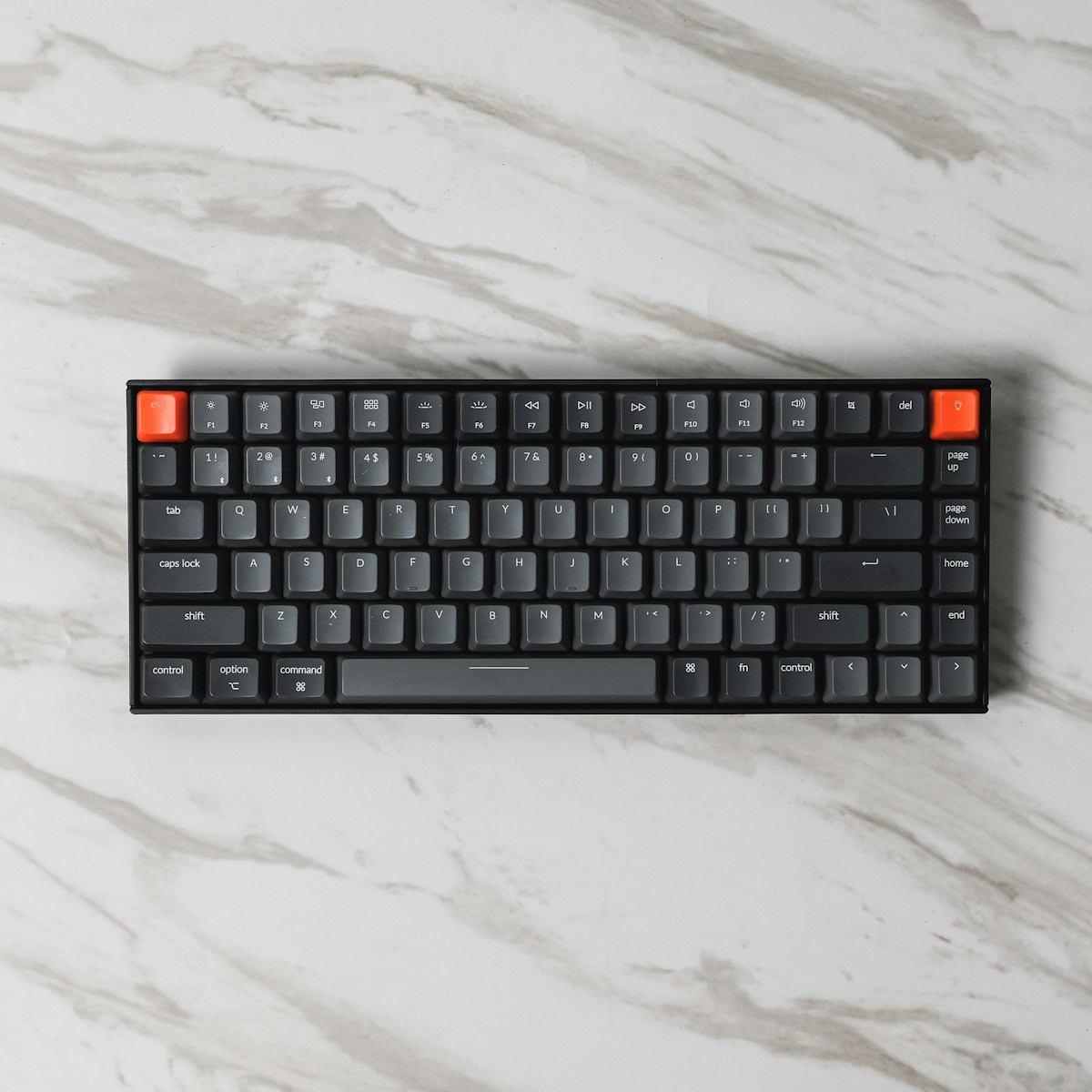
Best Budget Mechanical Keyboards Under $50 for Gaming in 2026
You no longer need to spend a fortune for a solid mechanical gaming keyboard. These sub-$50 picks deliver hot-...
 ⚽ Global Football Odds
How to Read World Cup 2026 Futures Odds: A Complete Bettor’s Guide
World Cup 2026 futures odds reward bettors who can read them properly. Learn the American odds format with wor...