Extra-Time Tactics: How Matches Are Won in the Final 30 Minutes
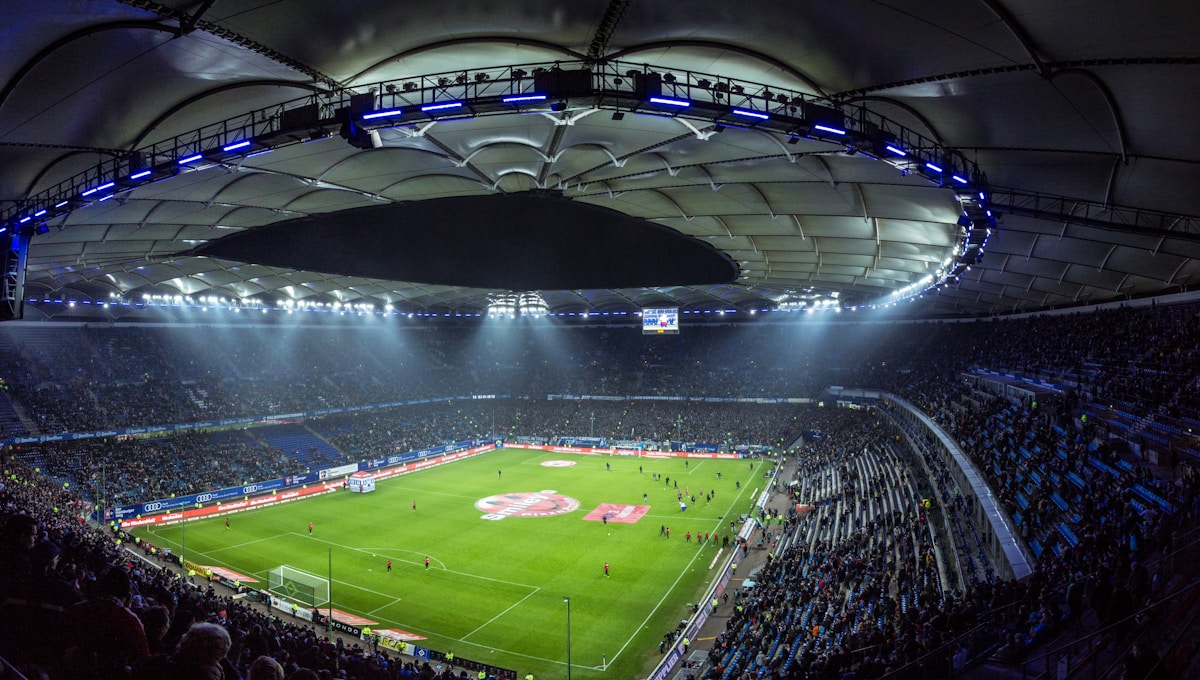
- Primary Signal: Extra-Time Tactics: How Matches Are Won in the Final 30 Minutes
- Overview: Extra time is a different sport from the 90 minutes before it. Learn how coaches manage tired legs, use substitutions, and chase or protect a result in the added half hour....
- Verification: Analyzed and compiled by 2026 Football Online editorial monitoring desk.
When a knockout match reaches extra time, the tactical landscape changes completely, because the players on the pitch are no longer the athletes who started the game. After 90 minutes of high-intensity football, glycogen stores are depleted, sprint speeds drop, and decision-making slows, which means the team that manages the final 30 minutes best often wins regardless of who dominated before. Extra time has its own rules, its own psychology, and its own tactical toolkit, from the extra substitution to the deliberate slowing of tempo. Coaches who plan for it, rather than merely surviving it, gain a genuine edge, and the history of cup finals is full of ties decided by the side that understood the added half hour.
After 90 minutes, most players have covered 10 to 12 kilometres with dozens of high-intensity sprints, and the body begins rationing energy in ways that change the game. Sprint counts fall, pressing intensity drops, and the explosive first step that separates attackers from defenders becomes rarer, which is why extra-time goals often come from set-pieces, mistakes, or a single fresh substitute rather than flowing team moves. Cramps become a tactical factor, forcing players to manage their own output and sometimes to hide fatigue from opponents. Coaches track all of this in real time, using GPS data and medical feedback to decide which players can continue and which are running on empty. The practical consequence is that extra time rewards depth: the team with fresh, quality substitutes holds a structural advantage that no amount of first-half dominance can buy.
The additional substitution allowed in extra time, a sixth change in most competitions, is the single biggest tactical lever in the added period. Smart coaches save it deliberately, holding back a fast winger or a penalty specialist for the moment when tired legs need replacing. The timing matters: introducing fresh attackers at the start of extra time maximises their impact, while saving the change for the 115th minute wastes 25 minutes of their energy. Some coaches use the substitution to change shape entirely, switching to a back five to protect a lead or adding a second striker to chase a winner. Penalty shootout planning also enters the calculation, because a coach may substitute on a reliable penalty taker even if his open-play contribution is limited. The sides that win extra time are usually those that planned their bench for it an hour earlier.
The strategic choice in extra time is stark: chase a winner and risk losing, or protect the draw and trust the shootout. The answer depends on the teams' relative penalty records, the state of tired legs, and the score of the tie across two legs where applicable. Teams confident from the spot often slow the game deliberately, taking time over throw-ins and goal kicks, while teams fearing the shootout push players forward and accept the risk of a counter. The first 15 minutes of extra time are typically cagey, as both sides assess who has more left, while the second 15 often open up dramatically, especially if a goal arrives. Coaches warn players about the most dangerous moment, the minutes immediately after scoring, when celebration and relief cause concentration to dip and equalisers follow.
Every extra-time decision is shadowed by the looming shootout, and the best coaches prepare for it long before the match. Goalkeepers study penalty tendencies, takers practise under fatigue in training, and the order is decided by psychology as much as technique, with confident players taking the first kick and the most composed reserved for the decisive fifth. Some teams use extra time itself as preparation, deliberately giving their takers touches and confidence in the final minutes. Others try to win before penalties at all costs, believing that a shootout is a lottery they would rather avoid. The data suggests penalties are less of a lottery than folklore claims, with technique, preparation, and goalkeeper research all shifting the odds measurably. Either way, the team that enters extra time with a clear plan for both outcomes, a winner and a shootout, is the team most likely to survive it.
📖 Continue Reading the Full Story
Continue reading this article on 2026 Football Online.
⚡ Access Full Content NowMore from 2026 Football Online



 🏆 2026 World Cup Central
World Cup 2026 Knockout Stage Explained: Bracket, Extra Time and Penalties
Thirty-two teams, single elimination and no second chances: how the World Cup 2026 knockout bracket worked, fr...
 🏏 RC11 Fantasy & Cricket
Dream11 Fantasy Scoring System for ODI Matches: The Complete Breakdown
How does Dream11 award points in an ODI? A clear breakdown of batting, bowling, fielding, bonus, and multiplie...
⚽ SportsBet Insights Live
Comprehensive Guide: Calculadora de Parlay — Odds Combinadas e Prêmios (Day 1 Guide)
Everything you need to know about Calculadora de Parlay — Odds Combinadas e Prêmios on SportsBet Insights Live...
⚽ Global Football Odds
Comparative Review: Calculadora de Parlay — Odds Combinadas e Prêmios (Day 11 Guide)
Why our free online Calculadora de Parlay — Odds Combinadas e Prêmios on Global Football Odds. Discover essent...